
Why Winterization Deserves a Checklist
Cold weather doesn't announce itself with enough warning to improvise repairs. A burst pipe can release hundreds of gallons of water in hours; a drafty rim joist silently inflates your heating bill all winter. The most effective approach is a structured walkthrough completed before the first hard freeze - typically in October or November, depending on your region.
This checklist is organized into three focus areas: plumbing and water systems, draft and insulation gaps, and outdoor systems and structures. Working through each category systematically ensures nothing critical gets missed. For a broader view of how winterization fits into year-round upkeep, see your home's annual maintenance calendar.
Plumbing and Water Systems
Draft Control and Insulation
Heating System and Safety
Outdoor Systems and Structures
Tools and Materials You'll Need
Before you start, gather supplies so you're not making repeated hardware store runs mid-task. Most of these items are widely available at home improvement stores.
Foam pipe insulation sleeves
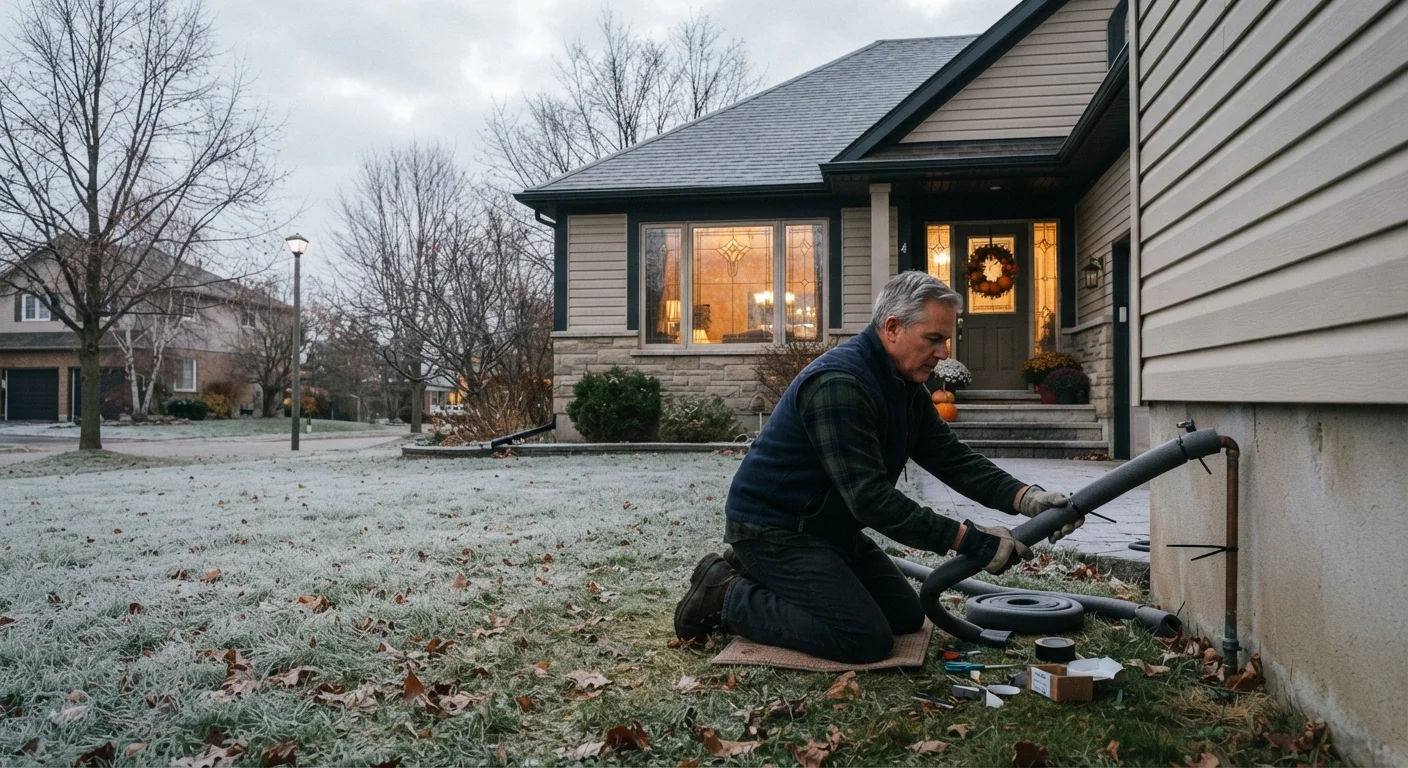
Wrap exposed pipes in unheated areas to prevent freezing.
Flexible exterior caulk
Seal gaps around window frames, door frames, and exterior penetrations.
Weatherstripping
Replace worn seals along door edges to stop cold air infiltration.
Rigid foam insulation board
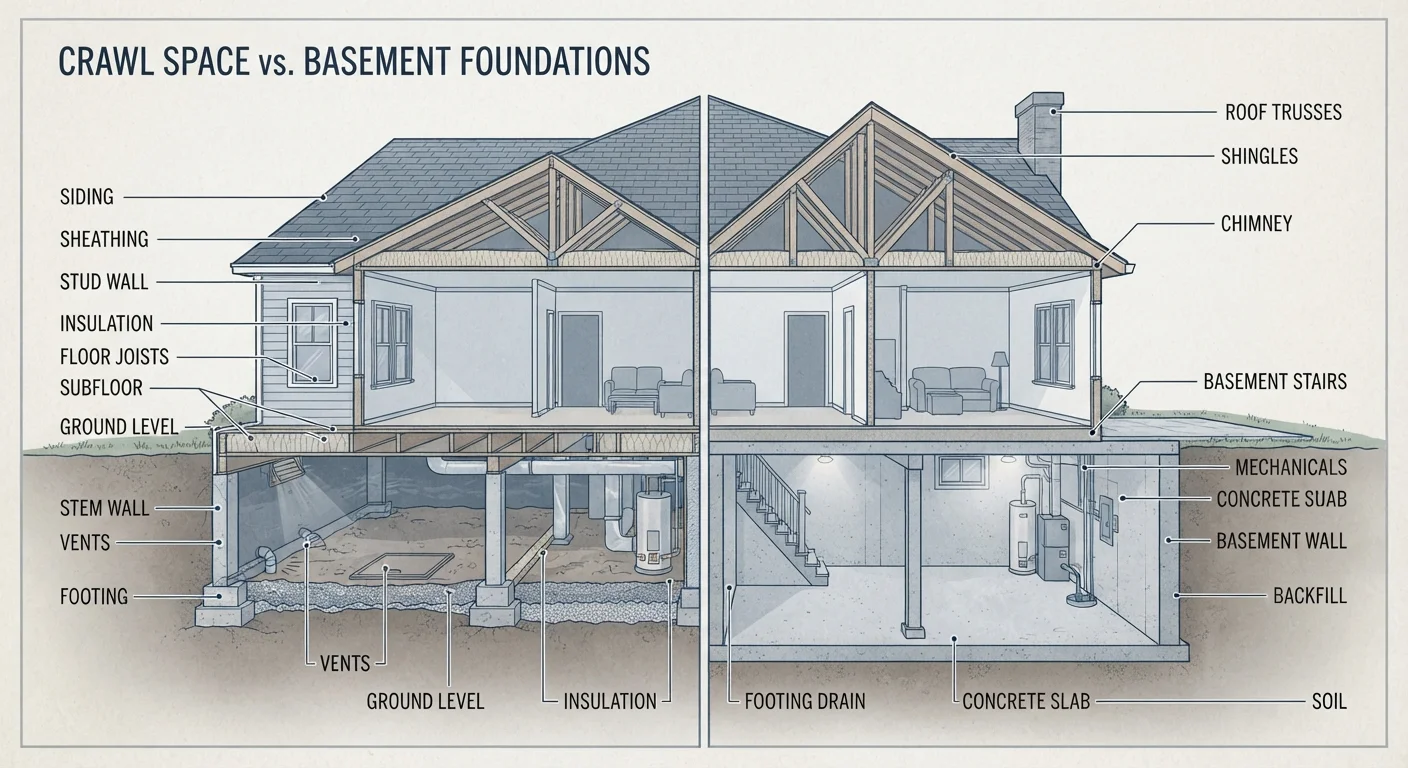
Cut-to-fit sections seal rim joist cavities in basements and crawl spaces.
Furnace filter (correct size for your unit)
Ensures efficient airflow and heating performance throughout the season.
Carbon monoxide and smoke detector batteries
Fresh batteries ensure detectors function reliably during heavy furnace use.
Insulating attic hatch cover
Reduces heat loss through an uninsulated pull-down stair or hatch opening.
Compressed air or irrigation blow-out kit
Purges water from sprinkler lines to prevent freeze cracking.
For tasks involving gas appliances, electrical panels, or significant plumbing modifications, always engage a licensed, qualified professional. Many jurisdictions require permits for certain types of insulation or plumbing work - check with your local building department before starting any major project.
Don't DIY Gas or Electrical Heating Work
Tasks involving gas lines, gas valve adjustments, or electrical work on your furnace or panel should always be handled by a licensed professional. Improper repairs to gas appliances carry serious risks of fire, explosion, or carbon monoxide poisoning. Always verify contractor licensing with your state or local licensing board before any work begins.
Heat Tape Requires Careful Selection
Not all heat tape is rated for the same applications - some types are designed for pipe use only, others for roof edges. Using the wrong product in the wrong location is a fire hazard. Follow manufacturer instructions precisely and do not overlap heat tape on itself unless the product label explicitly permits it.
Putting It All Together
Once your checklist is complete, do a final walk-through with fresh eyes. Look for anything that felt like a shortcut: a gap you meant to come back to, a valve you weren't sure about, insulation that didn't quite fit. Cold air and freezing water are unforgiving of half-finished tasks.
Outdoor landscaping tasks - cutting back perennials, draining garden water features, mulching root zones - pair naturally with this checklist. Our seasonal garden maintenance guide covers those in detail. And if you want to go deeper on draft control beyond what's covered here, the room-by-room air sealing guide is an excellent companion resource.
If Pipes Freeze: Know What Not to Do
If you suspect a pipe has frozen, never use an open flame, propane torch, or high-heat tool to thaw it - this is a leading cause of house fires. Use a hair dryer on a low-heat setting, warm towels, or a heating pad, and start from the faucet end and work back toward the frozen section. If you cannot locate or safely access the frozen pipe, shut off the main water supply and call a licensed plumber immediately.
Winterization isn't just about surviving the cold season - it's about starting spring with a home in the same condition you left it. A few hours of prevention now is almost always cheaper than emergency repairs in February.