
What Makes a Flower Annual or Perennial?
The distinction comes down to a plant's natural life cycle. Annual flowers germinate, bloom, set seed, and die - all within a single growing season. Common examples include zinnias, marigolds, and impatiens. Because they devote all their energy to flowering and seed production before the first frost, annuals tend to produce exceptionally long, generous blooms.
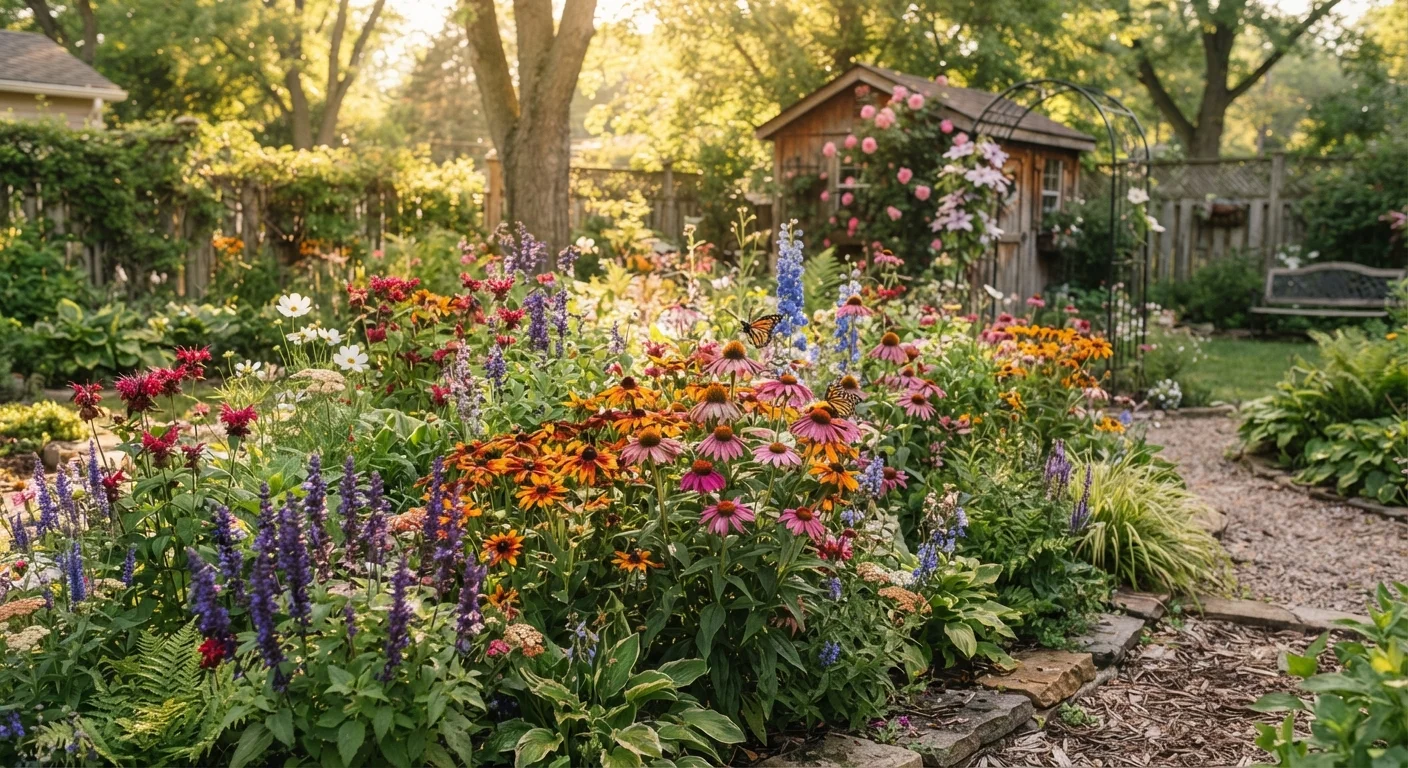
Perennial flowers, by contrast, go dormant in winter but regrow from their root systems the following spring. Coneflowers, black-eyed Susans, and daylilies are familiar examples. Their first season of growth may be modest - the gardening adage "sleep, creep, leap" describes how perennials slowly establish before flourishing - but they reward patience with years of returns.
A third category, biennials, completes its cycle over two years: leafy growth in year one, flowering in year two. Foxglove and hollyhock are well-known biennials. They're less common but worth knowing when reading plant labels.
Comparing Annuals and Perennials Side by Side
Understanding how these two plant types stack up across practical criteria helps you make smarter planting choices for your specific goals and budget.
| Annuals | Perennials | |
|---|---|---|
| Lifespan | One growing season | Returns each year |
| Bloom duration | Spring through frost | 2-6 weeks per season |
| Upfront cost | Lower per plant | Higher per plant |
| Long-term cost | Recurring each year | Decreases over time |
| Replanting effort | Every spring | Every 3-5 years (division) |
| Design flexibility | High - change yearly | Lower - more permanent |
| Establishment speed | Blooms first season | May take 2-3 seasons |
| Hardiness zone sensitivity | None - replanted annually | Must match local zone |
Keep in mind that performance varies by climate. Always check the USDA Plant Hardiness Zone listed on a perennial's tag to confirm it will survive your winters. Annuals sidestep this concern entirely since they don't overwinter.
Building a Garden That Blooms All Season
The most satisfying flower gardens aren't planted with just one type - they use annuals and perennials as complementary tools. Here's a practical framework:
- Start with a perennial backbone. Choose perennials that cover the three main bloom periods: early spring (creeping phlox, bleeding heart), midsummer (coneflowers, salvia), and late summer into fall (sedum, asters). This ensures you always have something in flower.
- Fill gaps with annuals. Perennials bloom for a defined window, often two to four weeks. Annuals planted between them mask these dormant periods and keep the bed looking full. They're especially useful in a garden's first year while perennials establish.
- Layer by height. Place taller perennials like Russian sage or ornamental grasses at the back, mid-height annuals like zinnias in the middle, and low-growing annual edging plants (such as alyssum) at the front.
For container and mixed-bed flexibility, see our guide to container gardening, which covers how annuals and perennials perform differently in pots.
Mix for Continuous Color All Season
A reliable rule of thumb is to aim for roughly 60-70% perennials and 30-40% annuals in a mature garden bed. This ratio keeps replanting manageable while ensuring the bed never looks empty between perennial bloom cycles. Adjust the ratio in favor of annuals in your garden's early years while perennials are still establishing their root systems.
Cost, Effort, and Long-Term Planning
Annuals typically cost less per plant at the nursery, but that cost repeats every season. A perennial bed has a higher initial investment that diminishes each year - many perennials can even be divided and spread to new areas of the garden as they mature, essentially giving you free plants.
Labor follows a similar pattern. Annuals require pulling spent plants in fall and replanting in spring. Perennials need periodic division (usually every three to five years) and occasional cutting back, but far less seasonal replanting. For a full seasonal task breakdown, visit our seasonal garden maintenance guide.
If you're also weighing where to plant - in the ground vs. raised beds - our comparison of raised beds vs. in-ground planting addresses drainage and soil factors that affect both annual and perennial success.
Don't Overplant Perennials Too Close Together
Perennials spread significantly as they mature, and many gardeners underestimate how much space established clumps will occupy. Planting too densely in year one often leads to overcrowding, reduced airflow, and increased disease risk by year three or four. Check mature spread dimensions on plant tags and resist the urge to fill every gap - annuals can do that job while perennials grow into their allotted space.
Supporting Pollinators With Your Flower Choices
Both annuals and perennials can play an important role in supporting local wildlife. Single-flowered varieties - rather than heavily hybridized double-bloomed forms - are generally more accessible to bees and butterflies because they expose nectar and pollen more readily.
Native perennials offer particular ecological value. Plants like purple coneflower (Echinacea purpurea), wild bergamot, and goldenrod are adapted to regional insects and often require less water and fertilizer once established. Learn more about designing with wildlife in mind in our article on native plants and pollinators.
Even a small bed combining native perennials with pollinator-friendly annuals like cosmos or borage can meaningfully support local bee and butterfly populations throughout the growing season.