
Why Roof Myths Are Especially Costly
Of all the systems in a home, the roof is the one most likely to be ignored until something goes obviously wrong - a stain on the ceiling, a shingle in the yard, or a drip during a storm. That delay often converts a manageable repair into a major replacement. The reason so many homeowners wait is that widely repeated roof myths give them a false sense of security.
This article tackles the most common misconceptions head-on. Understanding what's actually true - and what isn't - is the first step toward protecting one of the most significant investments in your home. For a broader look at how predictable system lifespans can help you plan ahead, see our guide to home system lifecycles.
Myth
If my shingles look intact from the ground, my roof is in good shape.
Fact
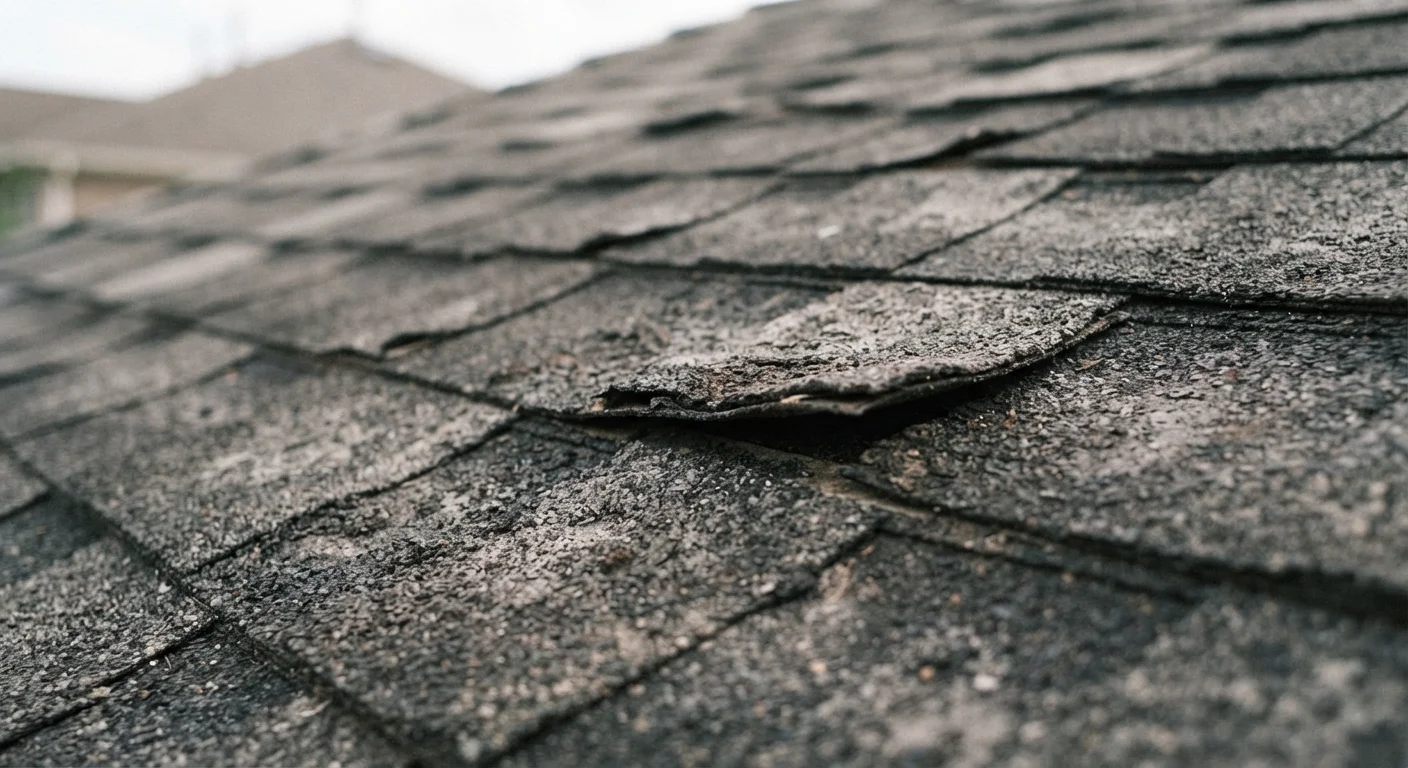
Visible shingles represent only the outermost layer. Underlayment, decking, flashing, and fasteners can all fail without showing obvious signs from street level.
The surface appearance of shingles tells you little about what's happening underneath. Granule loss - which accelerates UV degradation - is often invisible until you inspect gutters and downspout runoff. Flashing around chimneys, skylights, and valleys is one of the most common failure points and is rarely visible without getting on the roof. A professional inspector evaluates the full system, not just the outermost layer.
Myth
A new roof doesn't need to be inspected for years.
Fact
Installation errors, storm damage, and flashing issues can appear within the first few years regardless of a roof's age.
A new installation is only as good as the workmanship and the conditions it faces. Improper nail placement, inadequate flashing seals, and missing drip edge are all installation errors that may not reveal themselves until the first heavy rain or ice event. Inspecting a new roof one to two years after installation - and again after any significant storm - is a sound practice, not a sign of distrust in the contractor.
Myth
A small leak is a minor problem I can address later.
Fact
Water entering through even a small breach follows framing and can spread across a wide area before it becomes visible inside.
Roofing leaks rarely stay contained. Water follows the path of least resistance along rafters, insulation, and sheathing, sometimes traveling several feet before dripping onto a ceiling. By the time interior staining appears, mold may already be developing in hidden spaces. Structural wood that stays damp loses integrity over time, turning what started as a minor repair into a much more expensive remediation project.
Myth
I can just layer new shingles over the old ones to save money.
Fact
Most building codes allow only one layer of re-roofing over existing shingles, and even where permitted, it can mask underlying problems and void manufacturer warranties.
Adding a second layer of shingles adds significant weight to your roof structure and prevents a proper inspection of the decking beneath. If the original shingles are already deteriorating or if the decking has soft spots, the new layer will perform poorly and may fail prematurely. Many shingle manufacturers explicitly void warranties when products are installed over existing material. The cost savings at installation are frequently offset by earlier replacement and higher labor costs when the full teardown eventually becomes unavoidable.
Myth
Gutters and ventilation are separate from the roof - they don't affect it.
Fact
Clogged gutters and inadequate attic ventilation are two of the most common drivers of premature roof failure.
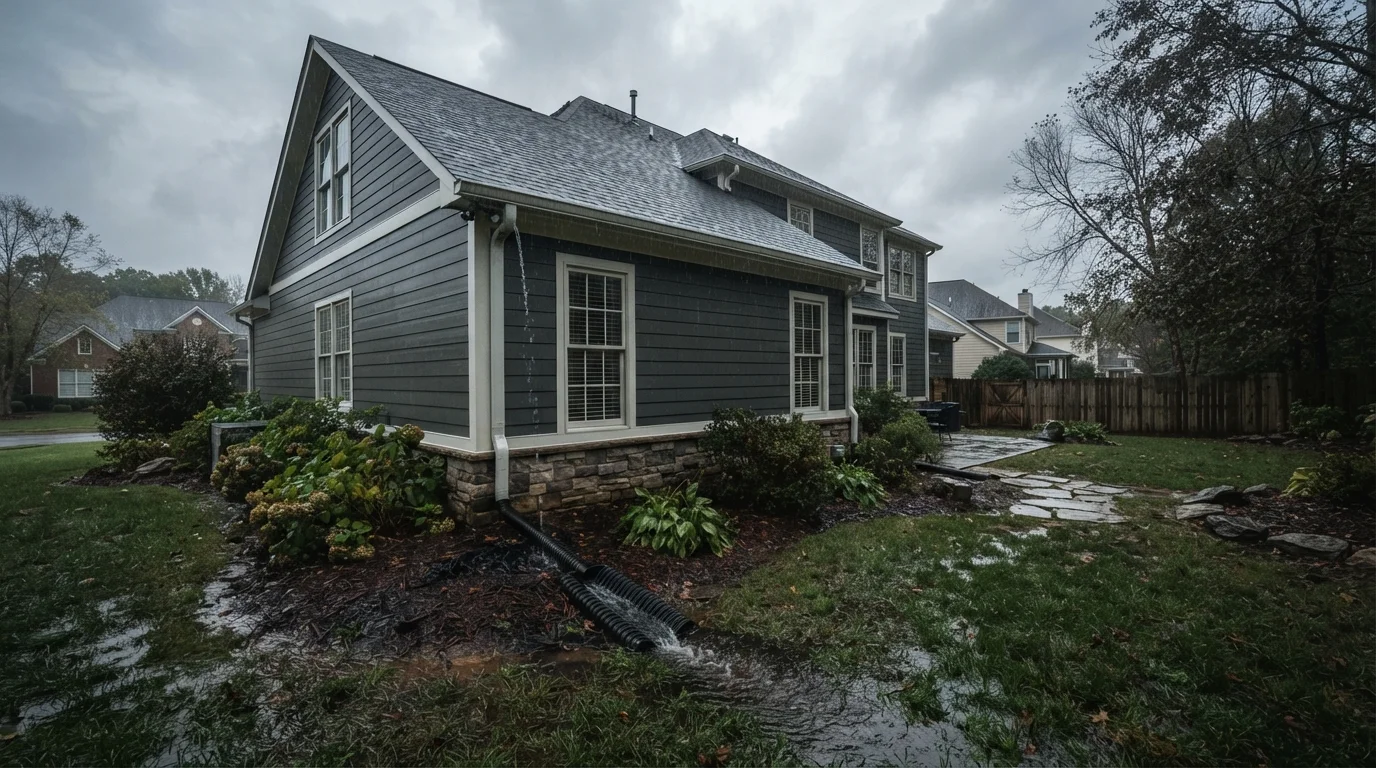
Gutters that overflow push standing water against the fascia board and back under shingles at the eave line, a primary cause of rot and ice dam formation in cold climates. Attic ventilation directly affects how long roofing materials last: excess heat degrades shingle adhesives and can warp decking, while trapped moisture encourages mold and wood rot from beneath. These systems work together, and neglecting either one shortens the entire roof's useful life.
The Hidden Role of Ventilation and Drainage
Two factors that homeowners rarely connect to roof health - attic ventilation and gutter drainage - are actually among the leading causes of premature roof failure. Trapped heat and moisture in an attic accelerate shingle deterioration from below, while water that can't drain efficiently backs up under shingles at the eaves.
40%
Of roof failures linked to poor installation or maintenance
Industry estimates from roofing trade organizations suggest roughly 40% of roof failures stem from improper installation or neglected maintenance rather than material defects alone.
25-30%
Reduction in shingle lifespan from inadequate attic ventilation
Roofing industry guidance indicates that insufficient attic ventilation can reduce the effective lifespan of asphalt shingles by 25-30% due to heat and moisture buildup.
Poor attic airflow causes heat to build up in summer, which can warp decking and degrade shingle adhesives, and in winter it creates conditions for ice dams. Our detailed resource on attic ventilation explains the mechanics and warning signs. Similarly, gutters that overflow regularly push water toward the fascia and roof edge - a connection explored in depth in our piece on gutters, downspouts, and foundation drainage.
Don't Attempt Roof Access Without Proper Equipment
Walking on a roof without appropriate footwear, fall-arrest equipment, or training is a leading cause of serious home-repair injuries. Even low-slope roofs become dangerously slippery when wet, covered in moss, or affected by frost. Leave physical inspections and repairs to licensed roofing professionals who carry the correct safety equipment and liability insurance.
If you suspect moisture is already affecting your attic space, this overview of attic moisture causes and solutions is a useful next read.
When to Call a Professional - and What to Ask
Most homeowners should schedule a professional roof inspection every two to three years, and always after a significant hail or wind event. A qualified roofing contractor can access slopes safely, identify flashing failures, check the condition of boots around penetrations (vents, chimneys), and assess decking integrity - none of which is visible from the ground or safely accessible without proper equipment.
When hiring, ask whether the contractor is licensed and insured in your state, whether they'll provide a written inspection report, and whether any repair work requires a permit. Legitimate contractors will answer these questions without hesitation. Be cautious of anyone who approaches you unsolicited after a storm - this is a known pattern among contractors who pressure homeowners into unnecessary replacements.
Permits and Licensed Contractors Are Often Required
In most jurisdictions, full roof replacements require a building permit, and the work must be performed by a licensed contractor. Unpermitted roofing work can complicate home sales, void homeowner's insurance claims, and leave you liable if the work fails. Always verify local permit requirements through your municipality before any major roofing project begins.
Roof myths share something in common with misconceptions in other parts of the home. Our article on home improvement myths that cost money covers similar traps in renovation and maintenance decisions.
This article is for general informational and educational purposes only. Roofing work involving structural components, electrical penetrations, or significant height requires licensed professionals. Always verify local permit requirements before undertaking any repair work.