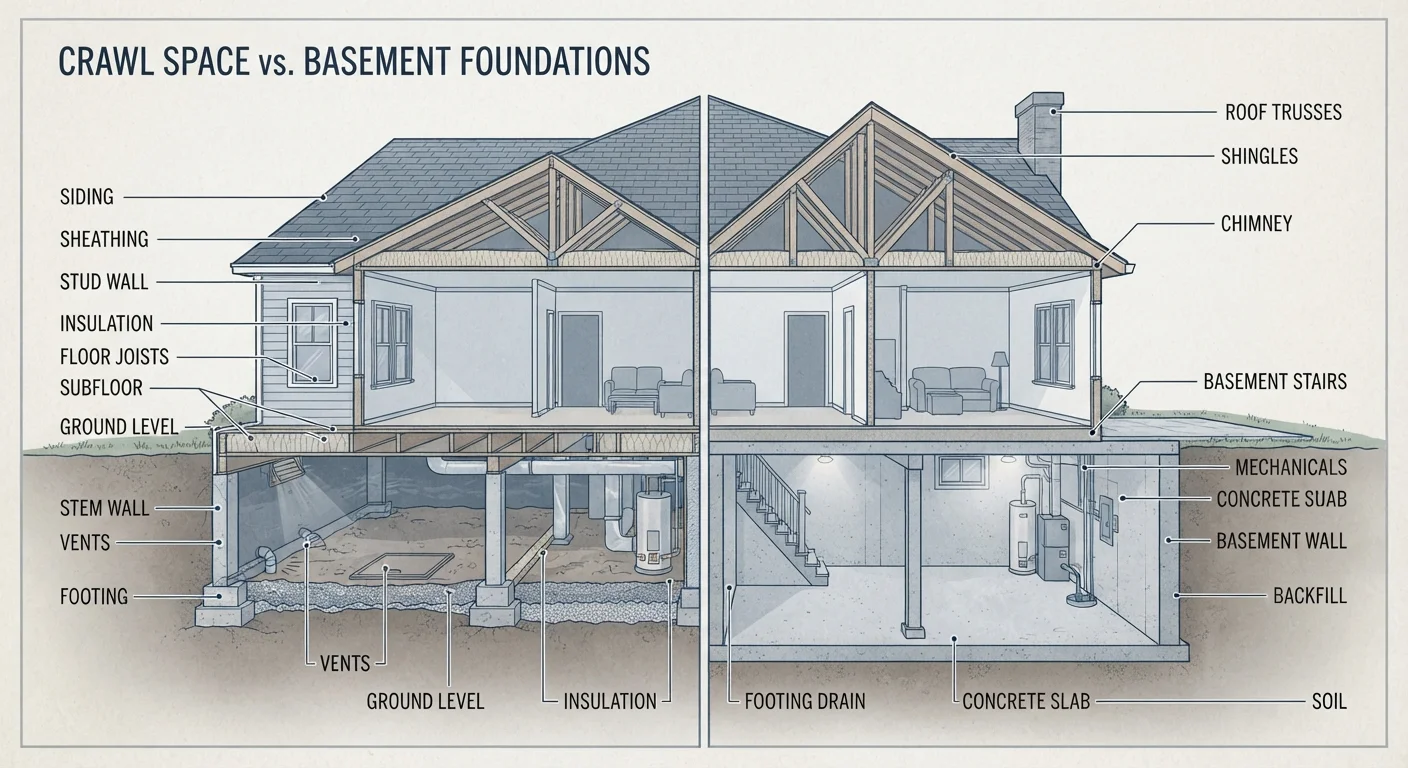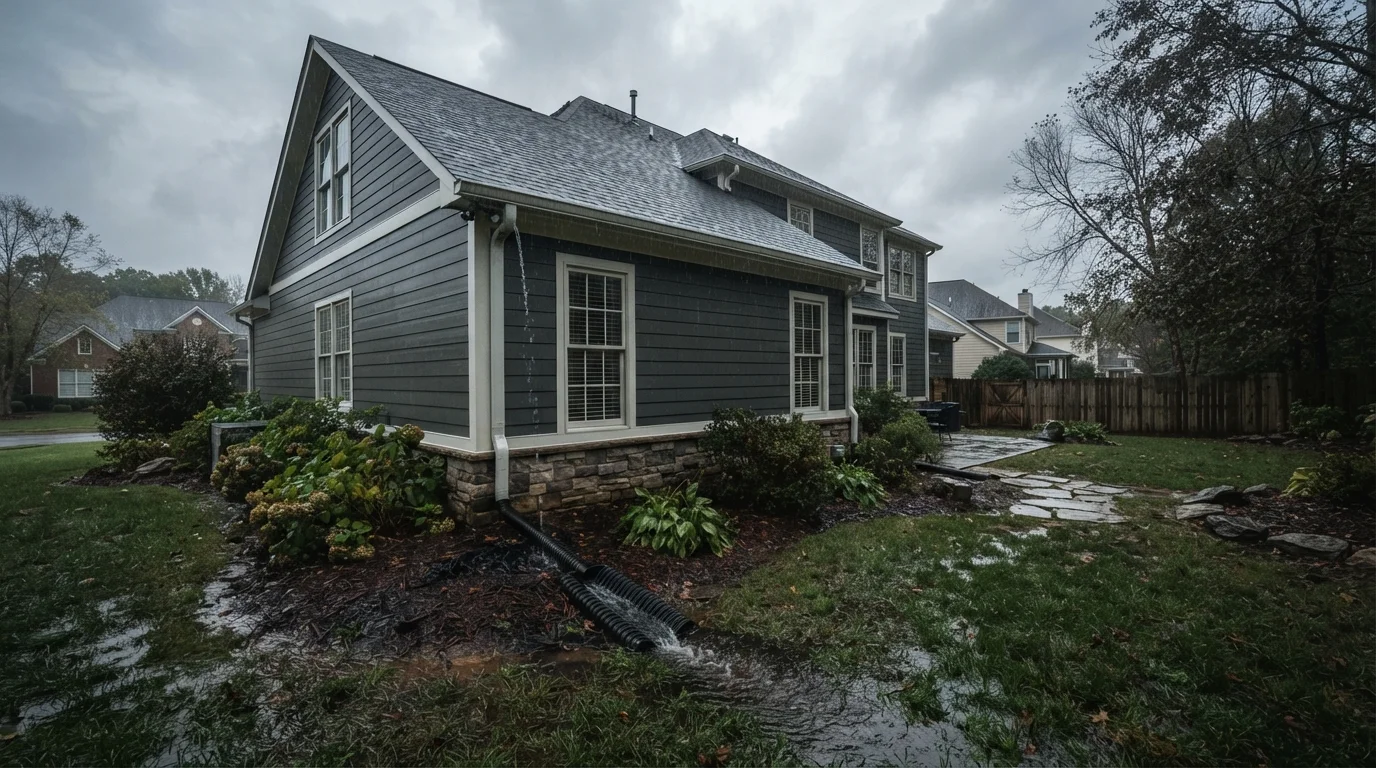

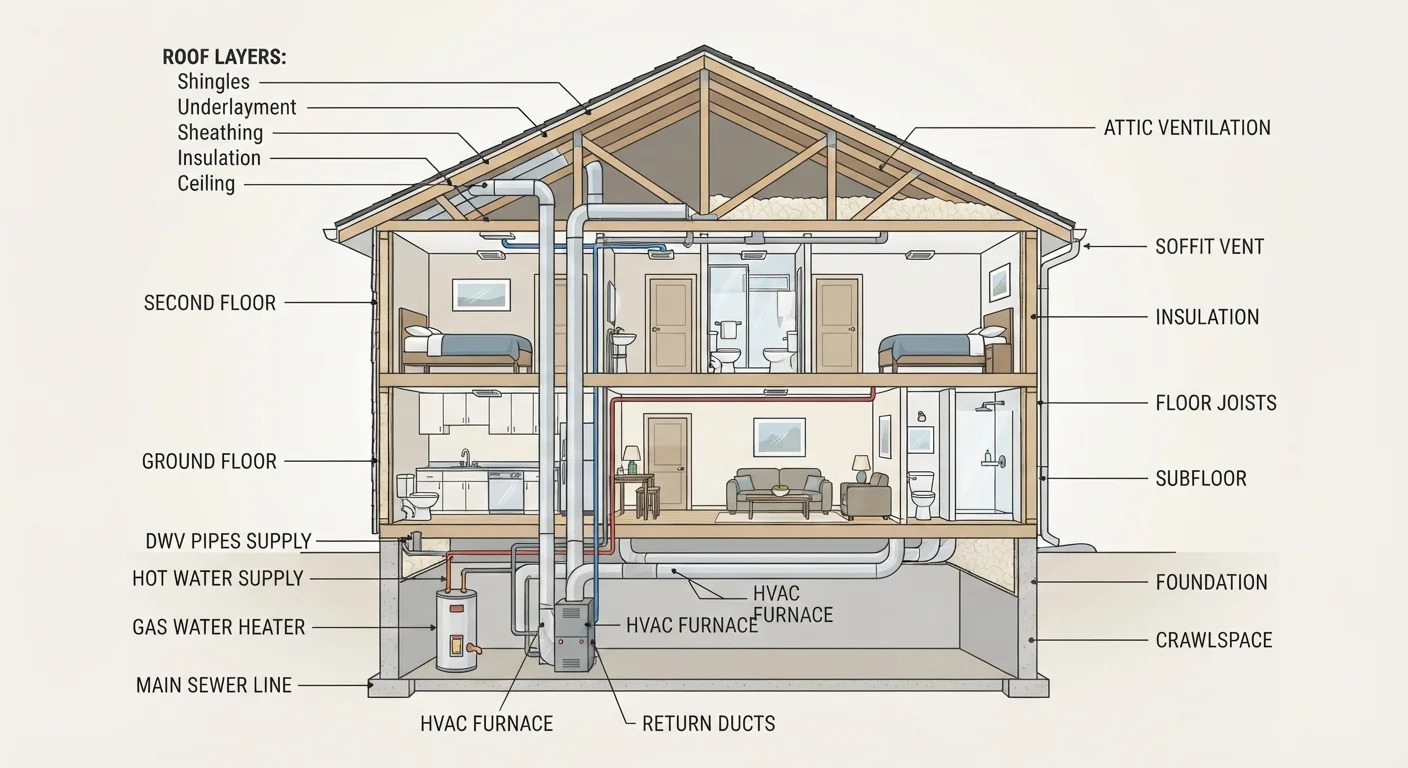
Why System Lifespans Matter
Every major system in your home - from the roof overhead to the water heater in the basement - has a predictable service life. When you know roughly how long each system lasts, you can budget for replacements before a failure forces your hand, often at the worst possible time and cost.
This isn't about alarming you. Most home systems give warning signs before they fail completely. Understanding typical lifespans simply gives you a head start. For a broader foundation on maintaining your property proactively, see our month-by-month home maintenance calendar.
| Asphalt shingle roof lifespan | 20-30 years (National Roofing Contractors Association general guidance) |
| Central A/C lifespan | 15-20 years (U.S. Department of Energy general estimate) |
| Tank water heater lifespan | 8-12 years (International Association of Certified Home Inspectors) |
| Copper pipe lifespan | 50-70 years (General industry consensus) |
| Gas furnace lifespan | 15-30 years (U.S. Department of Energy general estimate) |
| Electrical panel lifespan | 25-40 years (General industry consensus) |
Major Systems and Their Typical Lifespans
Roofing
Asphalt shingles - the most common roofing material in the U.S. - generally last 20 to 30 years, depending on climate, attic ventilation, and installation quality. Metal roofing can last 40 to 70 years; clay or concrete tile often exceeds 50 years. Poor ventilation dramatically shortens roof life, so it pays to understand how your attic functions. Our guide on attic ventilation explains the connection in detail. Watch for curling or missing shingles, granule loss in gutters, and daylight visible in the attic - all signals worth investigating promptly. Common roof myths can cause homeowners to delay action until damage worsens.
HVAC Systems
Central air conditioners typically last 15 to 20 years; gas furnaces often reach 15 to 30 years with proper maintenance. Heat pumps generally fall in the 10-to-15-year range. Annual professional servicing - cleaning coils, replacing filters, checking refrigerant levels - meaningfully extends equipment life. When repair costs approach 50% of replacement cost, replacement usually makes more financial sense.
Water Heaters
Traditional tank water heaters last roughly 8 to 12 years. Tankless (on-demand) models can last 20 years or more with descaling maintenance. Rust-colored water, rumbling sounds during heating, or visible corrosion around the tank are signs the unit may be nearing end of life. For energy-efficient alternatives worth considering at replacement time, see our piece on energy efficiency upgrades.
Plumbing
Pipe longevity varies widely by material: copper pipes can last 50 to 70 years, PVC and CPVC approximately 25 to 40 years, and older galvanized steel pipes often only 20 to 50 years before corrosion becomes problematic. Hidden water damage is frequently traced back to aging pipes - knowing your home's pipe material is a key first step.
Electrical Panels
A standard electrical panel lasts roughly 25 to 40 years. Signs it may need attention include frequently tripping breakers, a panel that still uses fuses, or a capacity that can't support modern loads. Electrical work requires licensed professionals in virtually all jurisdictions - always verify local permit requirements before any panel work begins.
Service life
The expected number of years a home system or component performs reliably under normal use and maintenance conditions. Actual longevity can vary based on installation quality, climate, and upkeep.
Heat pump
An HVAC system that moves heat rather than generating it, providing both heating and cooling. It is generally more energy-efficient than separate furnace and air conditioning systems.
Tankless water heater
A water heater that heats water on demand rather than storing it in a tank. Also called an on-demand water heater, it tends to be more energy-efficient and longer-lasting than traditional tank models.
Galvanized steel pipe
Steel pipe coated with a layer of zinc to resist corrosion, commonly installed in homes built before the 1960s. Over time the zinc coating deteriorates, leading to rust, reduced water flow, and potential leaks.
Building envelope
The physical barrier between a home's interior and the outside environment, including walls, roof, windows, doors, and foundation. A well-sealed envelope reduces energy loss and protects systems from moisture.
Planning Around System Age
If you're buying a home or already own one, start by documenting the approximate age and condition of each major system. Home inspection reports are a useful baseline. From there, a simple spreadsheet noting installation year, expected lifespan, and an estimated replacement window gives you a planning horizon for budgeting.
Replacement rarely needs to happen the moment a system hits its average lifespan - condition, maintenance history, and repair frequency matter as much as age. But systems running past their expected life deserve closer monitoring and more frequent professional check-ups.
Get a Home Inspection for Older Systems
If your home is more than 15-20 years old and you haven't had a professional inspection recently, scheduling one is worthwhile. A licensed home inspector can flag systems that are approaching end of life or showing early failure signs. This is general guidance - always verify local licensing requirements and ask inspectors about their specific area of expertise.
If you're new to homeownership and finding this landscape overwhelming, our introduction to home improvement covers how to prioritize projects and when to call in professionals. Cold-weather preparedness also plays a role in system longevity - winterizing your home annually reduces stress on plumbing, heating, and the building envelope.
1 in 20
Homeowners file a property claim each year
According to Insurance Information Institute data, water damage and freezing are among the most common causes of homeowner claims.
$5,000-$12,000+
Typical HVAC system replacement cost
Costs vary significantly by system type, home size, and region; obtaining multiple contractor quotes is advisable.
Up to 25%
Roof life reduction from poor ventilation
Industry guidance consistently links inadequate attic ventilation to accelerated shingle degradation and voided manufacturer warranties.