
Why Teen Drivers Need a Different Approach
New drivers of any age face a learning curve, but teenagers carry a compounding set of risk factors. The brain's prefrontal cortex - the region responsible for risk assessment and impulse control - isn't fully developed until the mid-20s. At the same time, teens are statistically more likely to drive with distracting passengers, underestimate hazards, and overestimate their own skill level.
The numbers reflect this reality. According to the IIHS, motor vehicle crashes are a leading cause of death for US teenagers. Per mile driven, 16- to 19-year-olds are involved in crashes at nearly three times the rate of drivers aged 20 and older.
GDL programs exist specifically to address this gap. Rather than handing a new driver full privileges on day one, they build competence step by step - keeping teens out of the most dangerous driving situations until they've developed the judgment to handle them. See also our article on what new drivers need to know before driving solo.
~3x
Higher crash rate for 16-19-year-olds vs. adults
Per mile driven, teen drivers ages 16-19 are involved in crashes at nearly three times the rate of drivers 20 and older, according to IIHS data.
20-40%
Reduction in fatal teen crashes from GDL
Comprehensive GDL programs have been associated with a 20 to 40 percent reduction in fatal crashes among 16-year-old drivers, per IIHS and CDC research.
50 states
States with some form of GDL law
All 50 US states and the District of Columbia have enacted graduated driver licensing legislation, though provisions vary significantly by state.
How the Three-Stage System Works
Every GDL program is built around a progression from closely supervised driving to full independence. The structure typically looks like this:
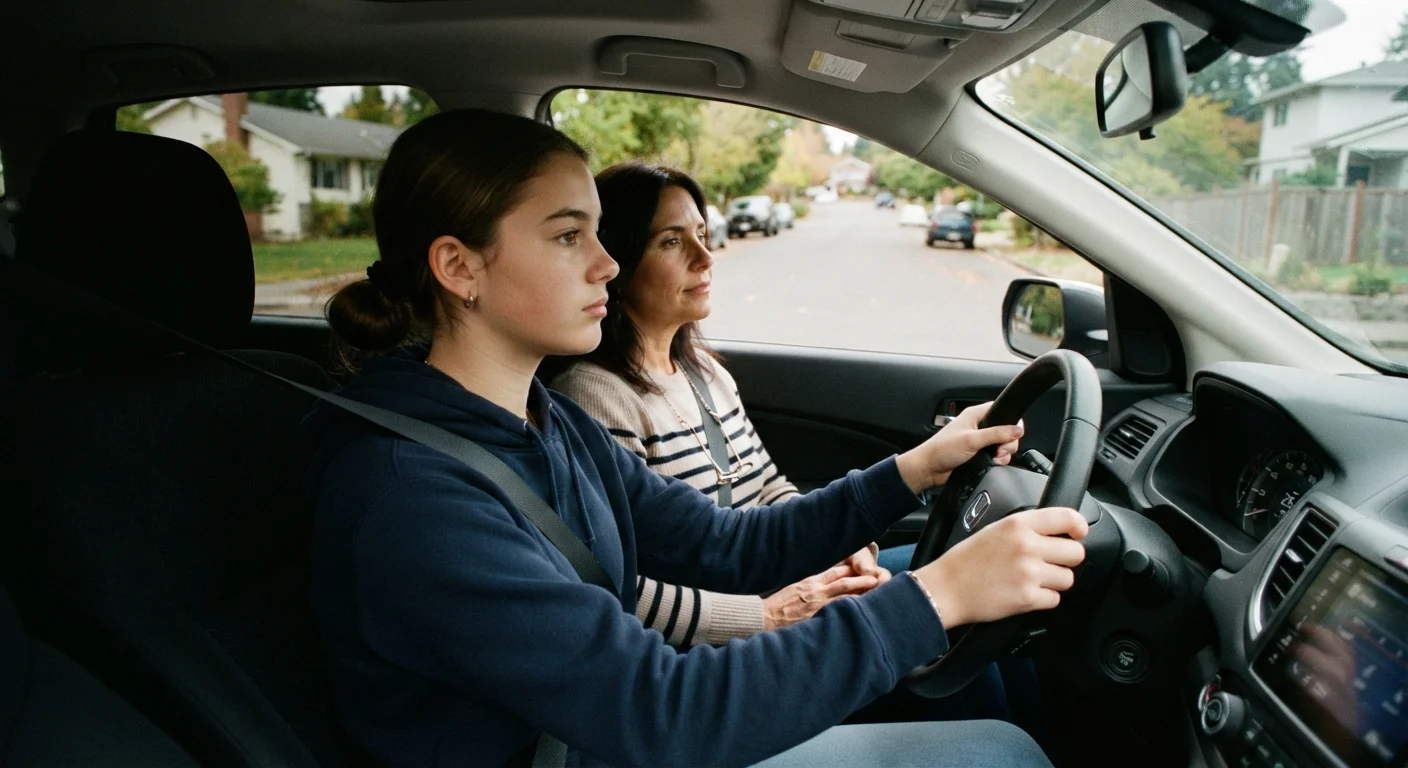
- Learner's Permit: The teen must be accompanied by a licensed adult at all times. This stage is focused on building fundamental skills - from basic vehicle control to highway merging. Most states require a minimum age of 15 or 16 to obtain a permit and mandate a set number of supervised hours before advancement.
- Provisional (Intermediate) License: The teen can drive alone, but specific restrictions apply. Common limits include nighttime curfews (unsupervised driving prohibited after a certain hour) and passenger restrictions (often limited to one non-family teen passenger). Violations can reset or extend this stage.
- Full Unrestricted License: Once the provisional stage is completed - typically after 6 to 12 months without violations - the driver earns full privileges. Most states set this at age 17 or 18.
The logic is deliberate: nighttime driving and peer passengers are two of the highest-risk scenarios for teen drivers. Restricting both until a baseline of experience is established directly addresses the conditions most likely to result in crashes. For more on why darkness raises the stakes, see our overview of night driving hazards most drivers underestimate.
Make Supervised Hours Count
Don't treat the learner's permit stage as a formality to rush through. Use the supervised period to practice in varied conditions - rain, highways, unfamiliar roads, and after dark where state rules permit. The closer practice mirrors real-world driving, the better prepared a new driver will be when restrictions lift.
What the Evidence Says About GDL Effectiveness
GDL is one of the most studied teen traffic safety interventions in the US, and the research is consistent: states with stronger GDL provisions see measurably lower teen crash rates. The IIHS and the Centers for Disease Control and Prevention (CDC) have both documented that comprehensive GDL programs reduce fatal crashes among 16-year-old drivers by as much as 20 to 40 percent compared to simpler single-step licensing.
“Graduated licensing is probably the most effective intervention we have for reducing crashes among teenage drivers. The evidence for it is unusually consistent across studies and states.”
— Anne McCartt, Senior Vice President for Research, Insurance Institute for Highway Safety (IIHS)
Passenger restrictions alone have demonstrated impact - studies show that fatal crash risk for teen drivers increases with each additional teenage passenger in the vehicle. Nighttime curfews similarly reduce exposure during hours when impaired and fatigued driving are more prevalent.
One consistent finding is that the strength of GDL provisions matters. States with longer holding periods, lower nighttime curfew thresholds, and stricter passenger limits tend to outperform states with weaker laws. This has led safety advocates to push for more uniform, comprehensive standards nationwide.
For context on how other safety behaviors evolve over time, our article on safe driving habits experienced drivers let slip illustrates that good practices require ongoing reinforcement at every experience level.
What Families Should Know and Do
Understanding GDL isn't just for teens - parents and guardians play a direct role in the system's success. Supervised hours count only if they're genuinely supervised and varied. Logging 50 hours of parking-lot practice won't develop the highway or adverse-weather experience a new driver actually needs.
GDL Rules Vary Significantly by State
Because GDL is state-administered, the minimum permit age, supervised hours required, curfew times, and passenger limits can differ considerably depending on where you live. Always verify the exact requirements with your state's Department of Motor Vehicles before assuming what applies. Moving to a new state mid-license process may also require starting a new stage.
Parents can also reinforce GDL principles at home by setting clear expectations that match or exceed state minimums. Research suggests parent-set rules around nighttime driving and passengers are at least as predictive of safe teen driving as the legal restrictions themselves.
It's also worth helping new drivers understand the broader context of road rules. For example, distracted driving laws vary considerably by state, and many states impose stricter phone-use rules on provisional license holders than on adult drivers. Knowing these distinctions before a teen is pulled over matters.
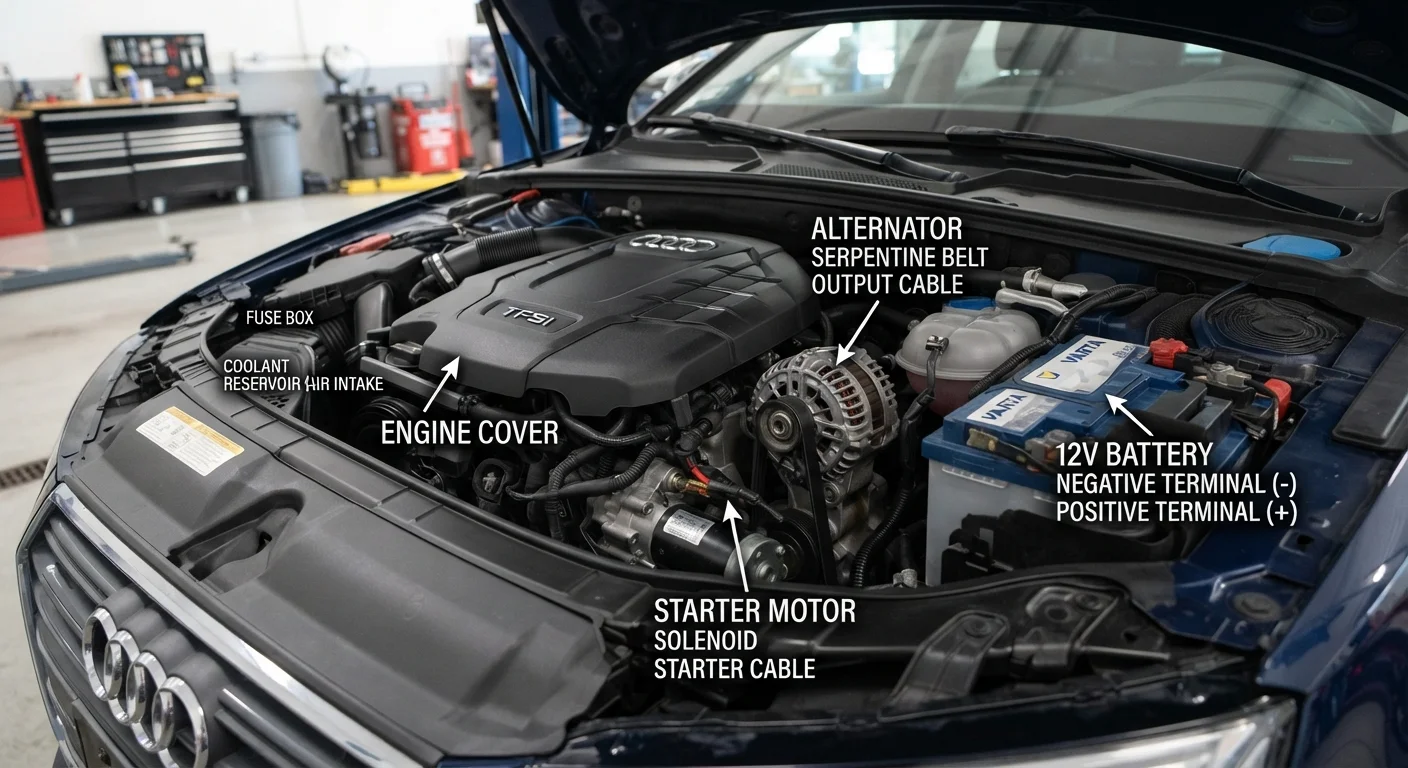
Finally, as teens gain independence behind the wheel, introducing them to basic vehicle care is a practical next step. Our plain-language guide on car maintenance for new drivers covers what actually needs attention and when.