
Why Plant Labels Deserve a Closer Look
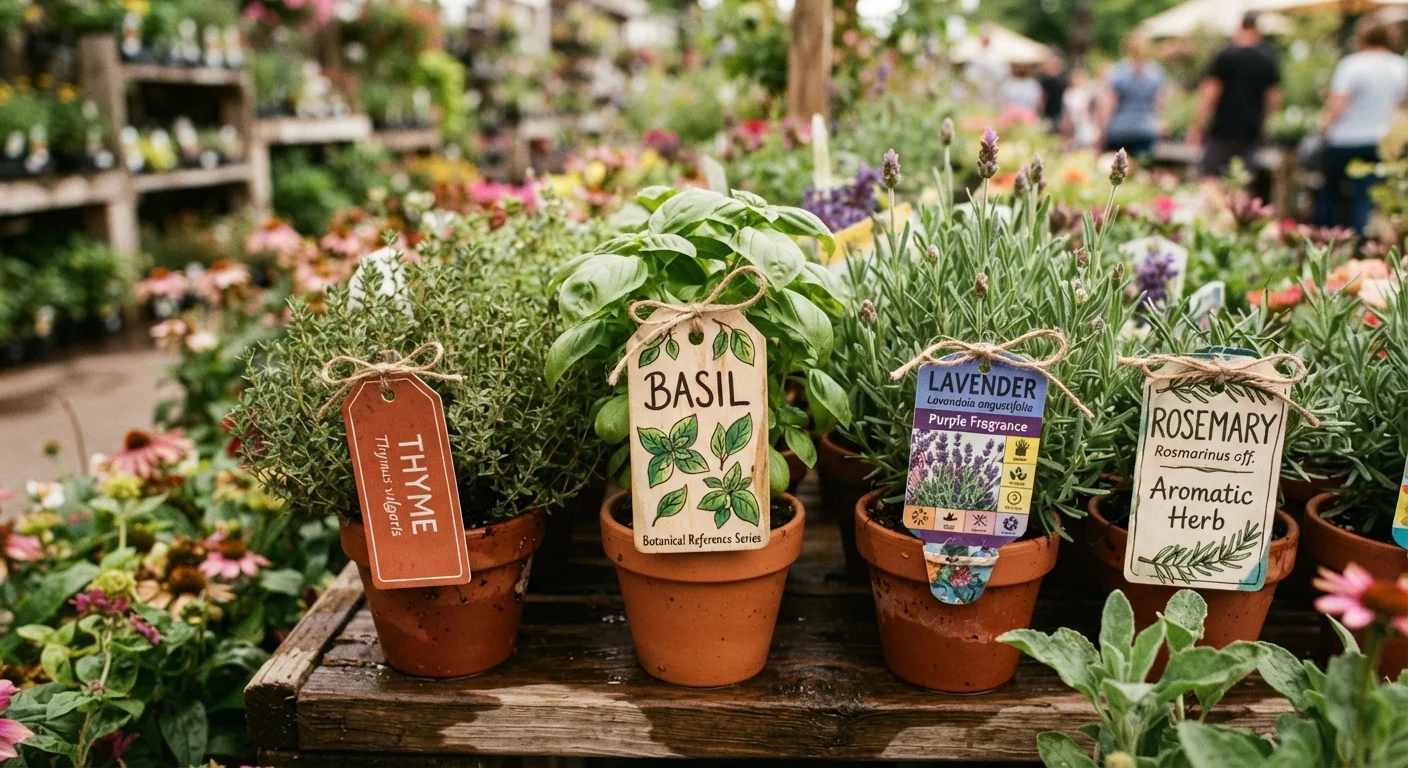
That small plastic tag tucked into a nursery pot holds more decision-making power than most gardeners realize. Choose the wrong plant for your light conditions or climate zone, and you've set yourself up for frustration before the first shovel hits the ground. Read the label correctly, and you've essentially received a care blueprint from the grower.
Labels vary by manufacturer, but nearly all of them communicate the same core information using a consistent set of terms, icons, and abbreviations. Once you know how to decode them, shopping at a nursery becomes far more efficient - and your garden becomes far more likely to thrive. For a broader foundation, see our ground-up guide for first-time gardeners.
| Standard light categories | Full Sun, Part Sun/Shade, Full Shade |
| Full sun threshold | 6+ hours of direct sunlight daily |
| USDA Hardiness Zone range (contiguous US) | Zones 3-11 (USDA Agricultural Research Service) |
| Mature size format on labels | Height × Width (e.g., 24 in. H × 18 in. W) |
| Life cycle types | Annual, Biennial, Perennial |
| Part sun/part shade range | 3-6 hours of direct sunlight daily |
Hardiness Zones, Light, and Water Icons
Hardiness zone: This is one of the most important numbers on any tag. The USDA Plant Hardiness Zone Map divides North America into numbered zones based on average annual minimum winter temperatures. A plant labeled "Zones 5-9" will survive winters in those zones but may die back or fail to return in colder zones. Look up your zip code on the USDA map to confirm your zone before purchasing any perennial, shrub, or tree.
Light requirements are typically shown as icons or text using three categories: Full Sun (6+ hours of direct sunlight daily), Part Sun/Part Shade (3-6 hours), and Full Shade (fewer than 3 hours). Mismatching a plant to your light conditions is one of the most common reasons plants underperform. Observe your planting area at different times of day before committing.
Water needs are often expressed as icons - one droplet for low water, two for moderate, three for high - or as text descriptors like "drought tolerant" or "consistently moist soil." This label detail pairs directly with what your garden naturally offers; sandy soil drains fast while clay retains water. For more on how watering habits affect plant health, see our article on common watering myths.
Hardiness Zone
A geographic designation based on average annual minimum winter temperatures, used to indicate which plants can survive winters in a given area. The USDA Hardiness Zone Map is the standard reference in the United States.
Full Sun
A light condition in which a plant receives at least 6 hours of direct, unobstructed sunlight per day. Most vegetables, many flowering perennials, and fruiting plants require full sun.
Mature Size
The expected height and spread of a plant when fully grown under average conditions. Mature size is not the size at purchase and should be the primary driver of spacing decisions.
Perennial
A plant that lives for more than two years, typically dying back to its roots in winter and re-emerging in spring. Perennials are a long-term investment in a garden's structure.
Annual
A plant that completes its full life cycle - germination, growth, flowering, and seed production - within a single growing season and must be replanted the following year.
Well-Drained Soil
Soil that allows excess water to move through relatively quickly, preventing roots from sitting in standing water. Sandy and loamy soils are naturally well-drained; clay soils often require amendment.
Spacing, Mature Size, and Bloom Information
Mature size is listed as height × spread (e.g., "24-36 in. H × 18-24 in. W"). This is the plant's expected size at full growth under typical conditions - not what you see in the pot. Overcrowding plants because the tag was ignored is a leading cause of poor air circulation, disease, and competition for nutrients. Give every plant the room it will eventually need.
Spacing recommendations are closely related and tell you how far apart to place individual plants when mass planting. A plant with an 18-inch spread may call for 12-inch spacing to create a dense, ground-covering effect, or 24-inch spacing for a looser look. Follow these numbers as a starting point and adjust for your aesthetic goals.
Bloom time and color help you plan for seasonal interest. Labels typically list the bloom season (e.g., "Late Spring-Summer") and flower color. Layering plants with staggered bloom periods keeps a garden visually engaging from early spring through fall. This is especially relevant when planning a productive garden across seasons.
Soil preferences such as "well-drained," "fertile," or "tolerates poor soil" tell you how forgiving a plant is. If your soil isn't a natural match, amendments can help - learn more through our guide to garden soil health.
Label Conditions Reflect Averages, Not Guarantees
Plant label information is based on typical growing conditions for a given region or zone. Microclimates - like a south-facing wall that traps heat, or a low spot that collects frost - can shift what a plant actually experiences. Use label data as a reliable starting point, then observe how each plant responds in its specific location over the first season.
Annual, Perennial, Biennial - and Why It Matters
One of the most consequential labels on any plant tag is its life cycle classification. Annuals complete their entire life in one growing season - they germinate, flower, set seed, and die. Perennials return year after year from the same root system, though their tops may die back in winter. Biennials take two years to complete their cycle: foliage the first year, flowers and seeds the second.
This distinction affects budget, planting strategy, and long-term garden design. A perennial costs more upfront but typically pays off over many seasons. An annual delivers high-impact color all season but requires replanting each year. Container gardeners especially benefit from understanding this; some perennials behave as annuals when grown in pots exposed to temperature extremes. Our article on container gardening trade-offs explores this further.
When in doubt about any label term, ask a nursery staff member - most are trained horticulturists who can help you match a plant to your exact conditions. A few minutes of conversation before purchase can save an entire season of disappointment.