
Choosing the Right Spot
Before you buy a single seed or tool, spend a few days observing your yard. The most common mistake first-time gardeners make is choosing a location based on convenience rather than conditions. Walk outside at different times of day and note where sunlight falls and for how long.
Most edible plants and many flowering garden plants need six or more hours of direct sunlight daily. Shaded spots under large trees are also competing zones - tree roots aggressively absorb water and nutrients from surrounding soil. Choose an open, sunny area whenever possible.
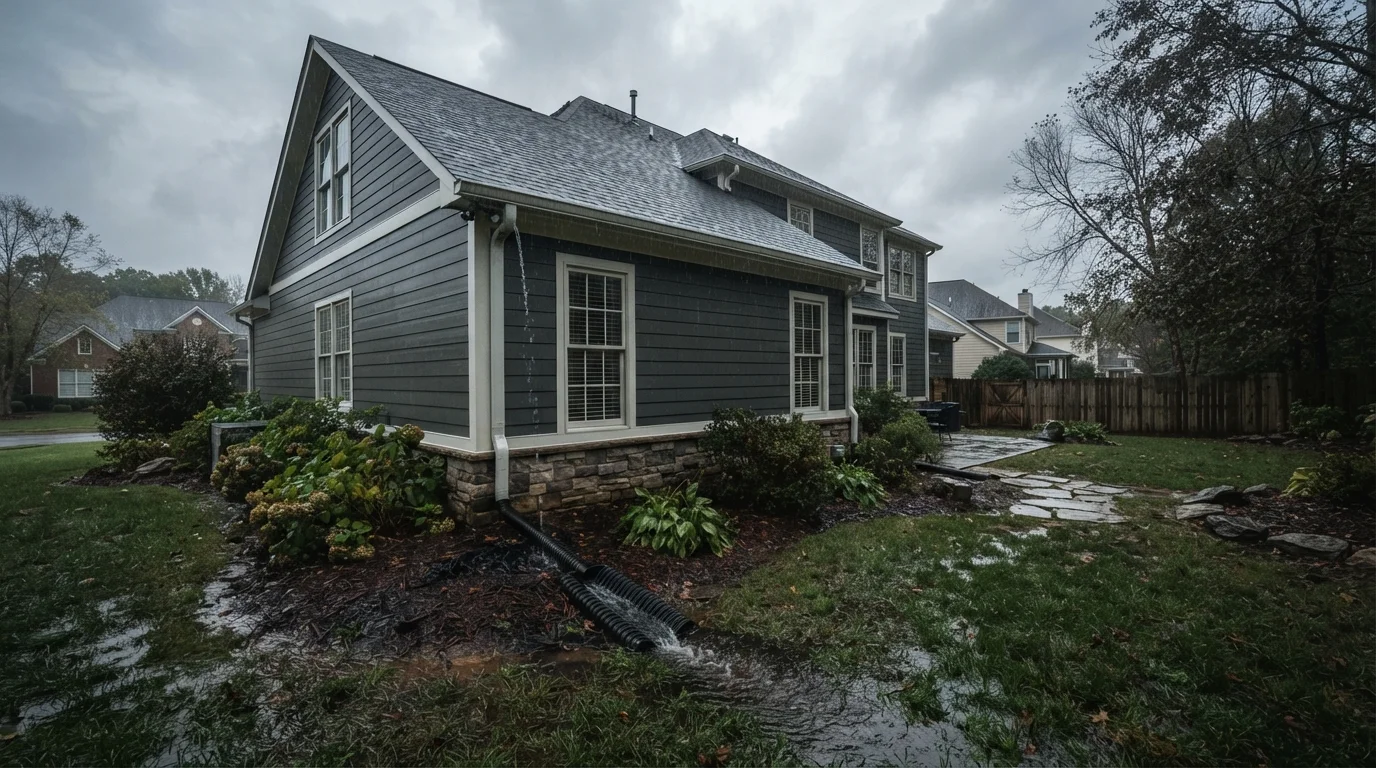
Also consider proximity to a water source. Dragging a hose across a large yard gets discouraging fast. A spot within easy reach of an outdoor spigot makes consistent watering realistic. Good drainage matters too - if water pools in an area after heavy rain, roots will struggle in saturated soil.
Track Sun Before You Dig
Use your phone to take a photo of your intended garden area at 9 a.m., noon, and 3 p.m. on the same day. This quick visual record makes it easy to see exactly how much direct sun the space receives and whether shadows from structures or trees are a factor.
Understanding and Improving Your Soil
Soil is the foundation of every successful garden. Most yards contain native soil that ranges from dense clay to loose sand, neither of which supports plants well without amendment. Before planting, it's worth understanding what you're working with.
A basic home soil test - available through many cooperative extension programs and garden centers - tells you your soil's pH level and general nutrient profile. Most vegetables prefer a slightly acidic to neutral pH, roughly 6.0 to 7.0. Extension offices affiliated with land-grant universities often offer low-cost or free testing and region-specific guidance.
Hardiness Zone
A geographic area defined by average minimum winter temperatures, used to indicate which plants can survive year-round in that climate. The USDA publishes an official zone map for the US.
Soil Amendment
Any material mixed into soil to improve its structure, drainage, or nutrient content. Common examples include compost, aged manure, and perlite.
pH
A measure of how acidic or alkaline your soil is, on a scale of 1 to 14. Most garden plants grow best when soil pH falls between 6.0 and 7.0.
Annual vs. Perennial
Annuals complete their full life cycle in one growing season and must be replanted each year. Perennials die back in winter and regrow from the same root system the following spring.
Mulch
A layer of organic or inorganic material spread over soil around plants to retain moisture, regulate temperature, and slow weed growth.
Transplant
A young plant started in a pot or tray - often purchased from a nursery - that is moved into a garden bed rather than grown from seed directly in the ground.
The most practical improvement for nearly any soil type is adding compost. Work a two-to-three-inch layer into the top eight inches of soil before planting. For a detailed look at making your own, see our guide on composting kitchen scraps into garden amendment.
Avoid Tilling Wet Soil
Working clay or loam soil when it's wet compacts it into hard clumps that are difficult for roots to penetrate. Squeeze a handful of soil - if it forms a ball that holds its shape and doesn't crumble when poked, it's too wet to work. Wait a day or two after rain before digging or amending.
Picking Plants That Actually Suit Your Space
Choosing plants based on a photo rather than their requirements is one of the most reliable ways to end up frustrated. Before you fall in love with a variety at the nursery, check three things: light requirements, mature size, and climate compatibility.
The USDA Plant Hardiness Zone Map divides the US into zones based on average minimum winter temperatures. Perennials - plants that return year after year - must be rated for your zone to survive. Annuals, which complete their life cycle in one season, are more flexible but still have preferred temperature ranges. Reading a plant label can tell you everything you need to know about whether a plant belongs in your garden.
For beginners, a mix of fast-growing vegetables and low-maintenance flowering plants offers quick rewards alongside longer-term interest. If outdoor space is limited, container gardening is a practical alternative worth exploring before committing to an in-ground bed.
Laying Out and Planting Your Garden
A simple layout done on paper before you dig saves significant time and prevents crowding. Note the eventual mature size of each plant - this information appears on plant labels - and space accordingly. Crowded plants compete for light, water, and airflow, which invites disease.
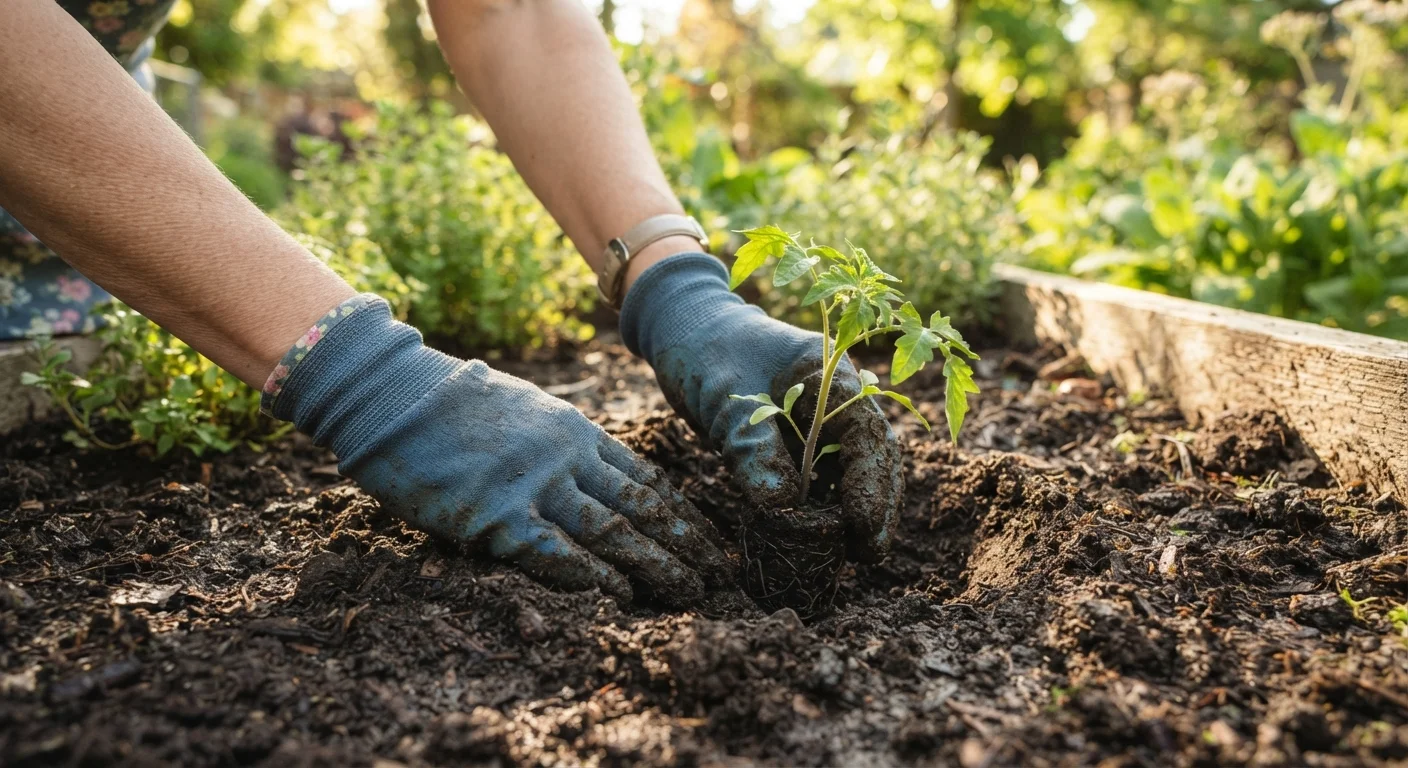
When you're ready to plant, dig each hole to the appropriate depth for the plant or seed. For transplants purchased from a nursery, the hole should be about twice as wide as the root ball and just as deep. Firm the soil gently around the roots and water thoroughly right after planting.
Mulching - spreading a two-inch layer of straw, wood chips, or shredded leaves around (but not touching) plant stems - conserves soil moisture, moderates temperature, and suppresses weeds. It's one of the highest-return steps a beginner can take. For those ready to dig deeper into productive layouts, The Backyard Vegetable Garden covers crop spacing and succession planting in detail.
Check Local Watering Rules
Some municipalities have seasonal watering restrictions or specific guidelines about irrigation timing. Before establishing a regular watering routine, it's worth checking with your local water utility or municipal website to make sure your practices align with any local rules.
What to Expect in Your First Season
First-season gardens are learning experiences as much as growing experiences. Expect some plants to thrive and others to underperform - that's normal and genuinely useful information for next year. Keep a simple notebook of what you planted, when, and how it did.
Watering is the most common point of failure for beginners. Most garden plants prefer deep, infrequent watering over daily light sprinkling. A good rule of thumb: water when the top inch of soil feels dry, and water slowly enough that it soaks in rather than runs off.
Weeds will appear. Pulling them while they're small is far easier than tackling established plants. Pests and minor disease are also inevitable, but a healthy soil foundation and good plant spacing reduce vulnerability significantly.
Starting a garden is a bit like planning a trip from scratch - the first attempt teaches you more than any guide can. Build on what works, adjust what doesn't, and your garden will improve meaningfully each season. For broader home project context, the Home Improvement hub offers additional guidance on enhancing your outdoor and indoor living space.